
Imagine going for a routine health checkup and discovering that your liver, one of the most important organs in your body is already beginning to damage, even though you never drink alcohol.
This is exactly what is happening to millions of people across India.
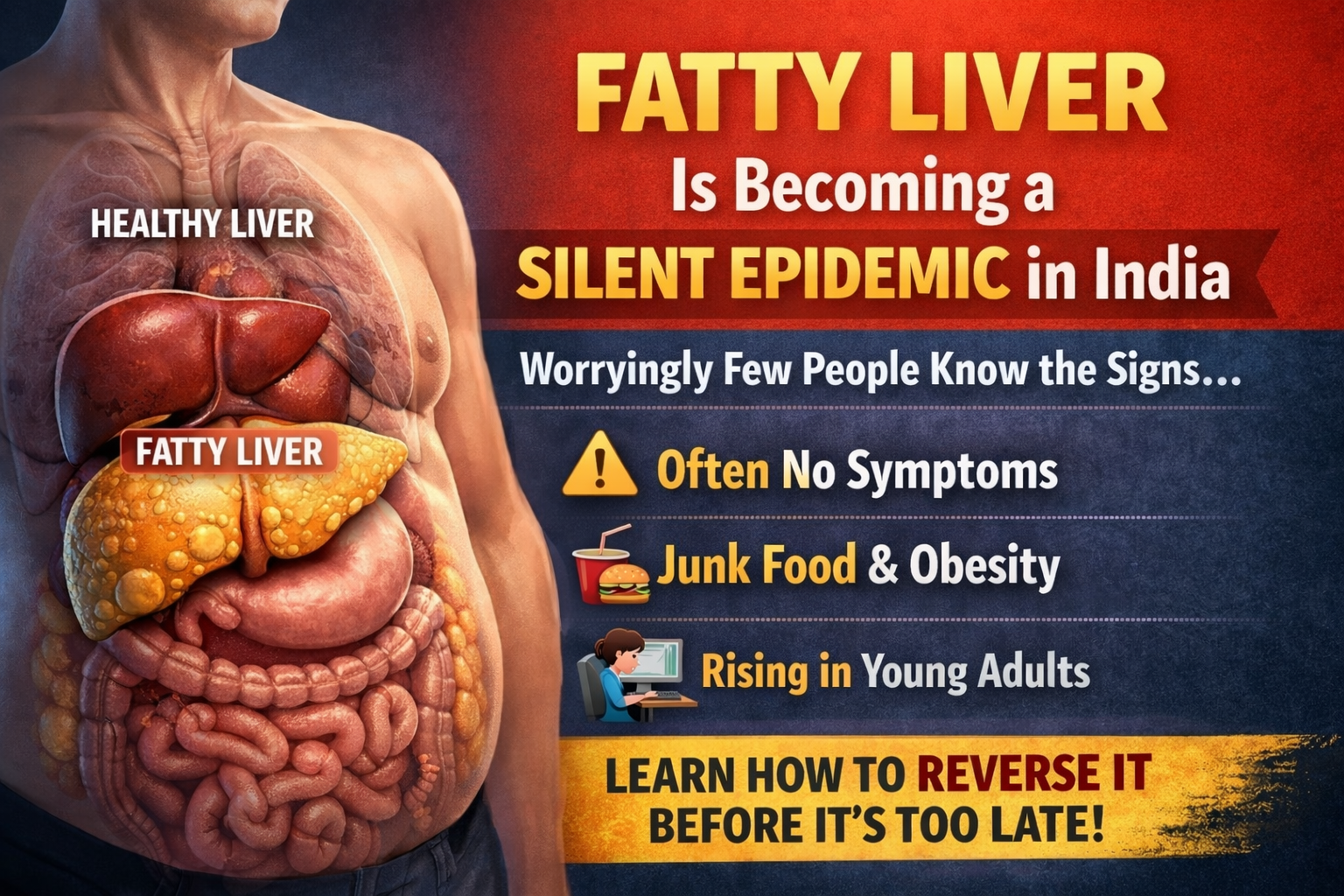
Doctors are witnessing a dramatic rise in Fatty Liver Disease, especially Non-Alcoholic Fatty Liver Disease (NAFLD). What was once considered a condition of middle-aged adults is now being diagnosed in people in their 20s and 30s and even teenagers.
Health experts estimate that many Indians may already have fatty liver, many without even knowing it. Because it often shows no symptoms in the early stages, it has quietly become one of the biggest emerging public health problems in India.
Let’s understand why this condition is spreading so rapidly — and more importantly, how you can reverse it before it causes serious damage.
What Exactly Is Fatty Liver?
Your liver normally contains a small amount of fat. But when more than 5–10% of the liver becomes fat, it is called Fatty Liver Disease.
There are two main types:
1. Alcoholic Fatty Liver Disease
Caused by excessive alcohol consumption.
2. Non-Alcoholic Fatty Liver Disease (NAFLD)
Occurs in people who drink little or no alcohol and is linked to lifestyle, diet, and metabolic health.
Today, NAFLD is the most common liver disorder globally and is rising rapidly in India due to urban lifestyles.
If ignored, fatty liver can progress through dangerous stages:
- Fat accumulation in the liver
- NASH (Non-Alcoholic Steatohepatitis) – inflammation and liver damage
- Fibrosis – scarring of the liver
- Cirrhosis – permanent liver damage
- Liver failure or liver cancer
The scary part? Many people discover the problem only during routine blood tests or ultrasound scans.
Why Fatty Liver Is Rising Rapidly in India
Several lifestyle changes in the last decade are fuelling this epidemic.
1. Sedentary Lifestyle
Work-from-home culture, long sitting hours, and reduced physical activity are major contributors. When the body burns fewer calories, fat starts accumulating in the liver.
2. Processed and Junk Food
High consumption of sugary drinks, refined carbohydrates, and ultra-processed foods significantly increases liver fat.
Foods commonly linked with fatty liver include:
- Sugary beverages
- White bread and refined flour
- Deep-fried snacks
- Processed meats
- Excess desserts
3. Rising Obesity
India is experiencing a surge in central obesity (belly fat), which is strongly linked to fatty liver disease.
Even people who appear “thin outside but fat inside” can develop fatty liver due to visceral fat.
4. Diabetes and Insulin Resistance
People with Type 2 Diabetes have a much higher risk of developing fatty liver. Insulin resistance causes excess fat to accumulate in liver cells.
5. Stress and Poor Sleep
Chronic stress and irregular sleep cycles disrupt metabolism and hormone balance, increasing the risk of metabolic diseases including fatty liver.
Warning Signs Most People Ignore
In early stages, fatty liver often causes no symptoms. But some subtle signs may appear:
- Persistent fatigue
- Mild pain or discomfort in the upper right abdomen
- Unexplained weight gain
- Elevated liver enzymes in blood tests
- Dark patches on neck or underarms (linked to insulin resistance)
Because symptoms are vague, many people discover fatty liver only during a preventive health checkup.
Can Fatty Liver Be Reversed?
The good news is that fatty liver is reversible in its early stages.
Unlike many other diseases, the liver has an amazing ability to heal itself if the right lifestyle changes are made.
Doctors often recommend three key steps.
1. Lose 5–10% of Body Weight
Research shows that losing even 5–7% of body weight can significantly reduce liver fat.
For example:
If someone weighs 80 kg, losing 4–6 kg can improve liver health dramatically.
Weight loss should be gradual through healthy diet and exercise, not crash dieting.
2. Improve Diet Quality
A liver-friendly diet focuses on natural, whole foods.
Recommended foods:
- Green leafy vegetables
- Fruits rich in antioxidants
- Whole grains
- Nuts and seeds
- Lean protein (fish, eggs, pulses)
- Healthy fats like olive oil
Foods to limit:
- Sugary beverages
- Ultra-processed foods
- Refined carbohydrates
- Excess red meat
- High-fructose foods
Many doctors recommend a Mediterranean-style diet, which has shown strong benefits for liver health.
3. Exercise Regularly
Physical activity helps reduce liver fat and improves insulin sensitivity.
Experts recommend:
- 150 minutes of moderate exercise per week
- Brisk walking, cycling, swimming, or yoga
- Strength training twice a week
Even 30 minutes of daily walking can significantly improve metabolic health.
The Role of Preventive Health Checkups
Because fatty liver often develops silently, doctors emphasise the importance of preventive screening.
Common tests include:
- Liver function test (LFT)
- Ultrasound abdomen
- Fibroscan (for advanced cases)
- Blood sugar and lipid profile
Early detection allows doctors to prevent progression to serious liver disease.
Why Young Indians Should Be Concerned
According to the Government of India, non-alcoholic fatty liver disease is emerging as a major public health concern and may affect a significant portion of the population due to changing lifestyles and metabolic disorders
One of the most worrying trends is the rise of fatty liver among young adults and adolescents.
Doctors are now seeing fatty liver in people as young as 18–25 years, mainly due to:
- Fast food culture
- Excess screen time
- Lack of physical activity
- Sugary drinks and energy beverages
If this trend continues, India may face a major liver disease burden in the coming decades.
The Bottom Line
Fatty liver is often called a “silent disease”, but it is largely preventable and reversible.
The same lifestyle changes that protect your liver also reduce the risk of:
- Diabetes
- Heart disease
- Obesity
- Metabolic syndrome
In simple terms:
Take care of your lifestyle today, or your liver will force you to tomorrow.
Small daily habits: healthier food choices, regular exercise, stress management, and preventive health checkups, can make a huge difference.
Your liver works 24 hours a day to detoxify and protect your body.
Perhaps it’s time we start protecting it too.
Disclaimer :This article is for informational purposes only and should not be considered medical advice. Please consult a qualified healthcare professional for diagnosis and treatment of any health condition.
Comments on “Why Fatty Liver Disease Is Becoming India’s Silent Health Epidemic (And How You Can Reverse It)”
Comments are closed.