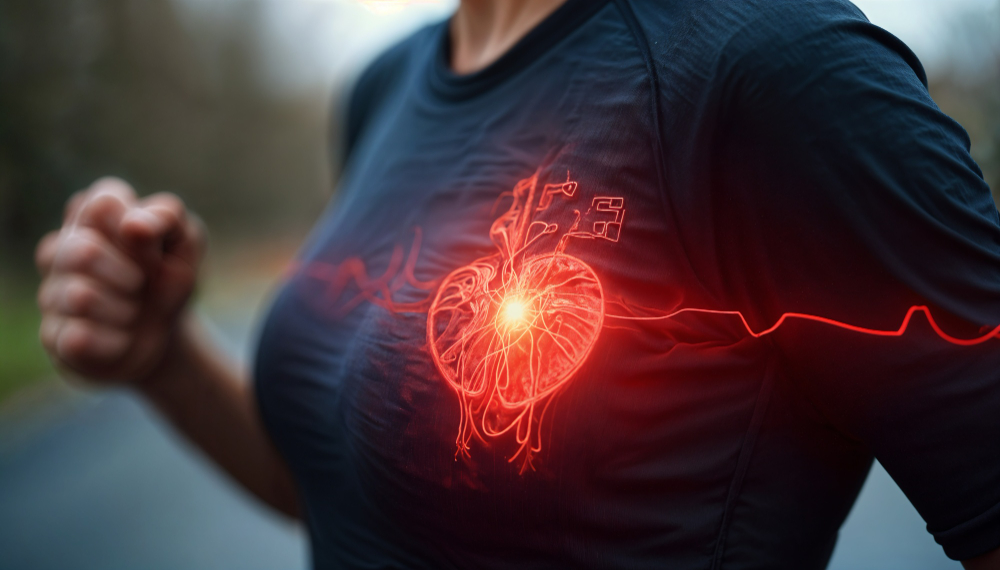
“The most dangerous health conditions are not always the ones that cause pain. Sometimes, the greatest threat is the one that remains completely silent.”
Imagine two neighbours.
Both leave for work every morning.
Both laugh with their families.
Both believe they are healthy because they rarely visit the hospital.
One day, one of them suddenly collapses at work after suffering a stroke.
Friends and family are shocked.
“He looked perfectly healthy.”
What many people don’t realise is that serious health conditions rarely announce themselves with dramatic warning signs.
Every day, millions of people wake up believing they are perfectly healthy while living with one of the world’s most dangerous chronic conditions-hypertension, commonly known as high blood pressure.
Unlike many illnesses, hypertension rarely announces its arrival with pain or obvious warning signs. It can quietly damage the heart, brain, kidneys, and blood vessels for years before the first symptom appears. In many cases, the first sign is a life-changing event such as a stroke, heart attack, kidney failure, or heart failure.
This silent progression is why hypertension has earned the nickname “the silent killer.”
By the time many people discover they have hypertension, the disease may have already caused irreversible complications.
This is why health awareness remains one of the most powerful tools in modern healthcare.
Feeling Healthy Doesn’t Always Mean Being Healthy
One of the biggest misconceptions about hypertension is that people believe they will “feel” it.
In reality, many individuals with dangerously high blood pressure may experience no symptoms at all.
- “No headaches.”
- “No dizziness.”
- “No chest pain”
- “I’ve never fainted.”
- “I still go to work every day.”
- “I exercise sometimes.”
- “I’m too young to worry about blood pressure.”
These statements are heard in clinics around the world.
Yet they provide no guarantee that blood pressure is normal.
Healthcare professionals often remind patients that high blood pressure is not diagnosed by how someone feels, it is diagnosed by measurement.
This false sense of security often delays diagnosis until complications develop.
Routine blood pressure screening is therefore not simply a medical recommendation—it is an opportunity to prevent life-threatening events before they occur.
A Global Health Challenge Hiding in Plain Sight
According to the World Health Organization (WHO), an estimated 1.28 billion adults aged 30–79 years worldwide live with hypertension, yet nearly half are unaware they have the condition. Even among those diagnosed, many do not receive adequate treatment, and only a small proportion successfully control their blood pressure. These figures highlight one of the greatest missed opportunities in modern healthcare: early detection and prevention.
These statistics represent more than numbers.
They represent fathers who never had a routine health check.
Mothers who dismissed persistent fatigue as stress.
Young professionals who believed hypertension was only a disease of old age.
Communities where preventable illness continues to place enormous pressure on families and healthcare systems.
Behind every statistic is a person whose life could have been changed through awareness, education, and timely intervention.
Small Daily Habits Shape Long-Term Health
Hypertension rarely develops overnight.
It often reflects years of accumulated lifestyle choices.
▪️Regular consumption of highly processed foods.
▪️Excessive salt intake.
▪️Physical inactivity.
▪️Chronic stress.
▪️Smoking.
▪️Excessive alcohol consumption.
▪️Poor sleep.
Each habit may appear insignificant on its own.
Together, they gradually increase cardiovascular risk.
The encouraging news is that positive habits work in the same way.
✅ Daily walks.
✅ Balanced meals.
✅ Adequate hydration.
✅ Reducing salt intake
✅ Quality sleep.
✅ Stress management.
✅ Routine health checks.
Small improvements made consistently often produce meaningful health benefits over time.
Healthcare is not built only in hospitals.
It is built in kitchens, workplaces, schools, markets, and homes.
As management expert Peter Drucker famously said:
“What gets measured gets managed.”
Although Drucker was referring to organisational performance, the principle applies remarkably well to health.
Blood pressure cannot be managed if it is never measured.
A simple screening that takes less than five minutes may reveal a problem years before complications develop.
Prevention Is More Powerful Than Treatment
Modern medicine has made remarkable progress in treating & managing hypertension.
Effective medications are widely available.
Advanced diagnostic tools continue to improve.
Specialised cardiovascular care has become increasingly sophisticated. Yet prevention remains far more effective than managing complications after they occur.
Preventing a stroke will always be better than recovering from one.
Preventing kidney disease will always be preferable to dialysis.
Preventing heart failure will always improve quality of life.
Healthcare systems achieve their greatest success not only by treating illness but by helping people avoid it altogether.
Health awareness campaigns, community blood pressure screenings, primary healthcare services, workplace wellness initiatives including BP & diabetes screening, and public education programmes all contribute to this goal.
Every prevented illness represents not only improved health for an individual but also reduced pressure on healthcare resources.
Why Health Education Matters
Many people do not ignore their health because they are careless.
They ignore it because they lack reliable information.
Some believe hypertension affects only older adults.
Others think medication alone can solve the problem without lifestyle changes.
Many underestimate the importance of routine health screenings.
Health education helps replace myths with knowledge.
When people understand risk factors and recognise the value of early detection, they become active participants in protecting their own health.
Awareness is often the first step toward prevention.
Healthcare Begins Before the Hospital
Hospitals play a vital role in diagnosing and managing hypertension.
However, healthier communities are created long before patients require hospital admission.
- Community screening programs.
- Health awareness campaigns.
- Primary healthcare services.
- Workplace wellness initiatives.
- Patient education.
- Family support.
These efforts reduce preventable disease while empowering individuals to make informed health decisions.
Healthcare is strongest when it extends beyond hospital walls into homes, schools, workplaces, and communities.
In many cases, the most valuable medical intervention is not a prescription.
It is a conversation that inspires someone to check their blood pressure before symptoms appear.
A Shared Responsibility
- Reducing the burden of hypertension requires collaboration.
- Healthcare professionals provide clinical expertise.
- Families encourage healthy habits.
- Employers create healthier workplaces.
- Communities promote physical activity.
- Individuals make daily lifestyle choices.
- Every contribution matters.
Protecting health is not the responsibility of healthcare providers alone.
It is a partnership.
FAQ Section
- Why is high blood pressure called the “silent killer”?
Because many people experience no noticeable symptoms even when their blood pressure is dangerously high, allowing damage to occur unnoticed over time.
- How often should adults check their blood pressure?
Healthy adults should have their blood pressure checked regularly during routine healthcare visits. Individuals with risk factors or a previous diagnosis should follow their healthcare provider’s recommendations.
- Can hypertension be prevented?
Many cases can be prevented or delayed through healthy eating, regular physical activity, maintaining a healthy weight, limiting salt intake, avoiding tobacco, moderating alcohol consumption, managing stress, and attending regular health screenings.
4. What is the most important message from this article?
Do not wait for symptoms before taking your health seriously. Prevention, regular health checks, and informed lifestyle choices remain the most effective ways to reduce the burden of hypertension.