How preventive healthcare, early intervention, and coordinated stroke care can improve patient outcomes while creating opportunities for sustainable healthcare business growth !
At 7:15 a.m., a man prepares for work as he does every morning. He has breakfast, checks his phone, and gets ready to leave home. Nothing appears unusual until his wife notices that one side of his face is drooping. When he tries to speak, his words sound unclear.
The family initially assumes he is exhausted. Perhaps he needs to sit down. Maybe the symptoms will disappear after a few minutes. But minutes matter !!
A stroke occurs when blood flow to part of the brain is interrupted or when a blood vessel in the brain ruptures. Without prompt medical attention, brain cells can become damaged, potentially resulting in disability or death.
The family’s next decision may influence the man’s future.
This scenario illustrates a critical reality about stroke: although the emergency may appear suddenly, the opportunity to prevent or reduce its impact often begins much earlier.
For healthcare organisations, this creates an important question: Are we building healthcare systems that respond effectively to emergencies, or are we also investing in the prevention, early detection, and continuity of care that can reduce their impact?
The answer has implications not only for public health but also for the long-term sustainability of healthcare businesses.
Stroke Is Not Only an Emergency Department Issue
When people discuss stroke, attention often turns immediately to emergency treatment, hospital admission, and rehabilitation.
These services are essential. However, stroke prevention begins long before an ambulance is called.
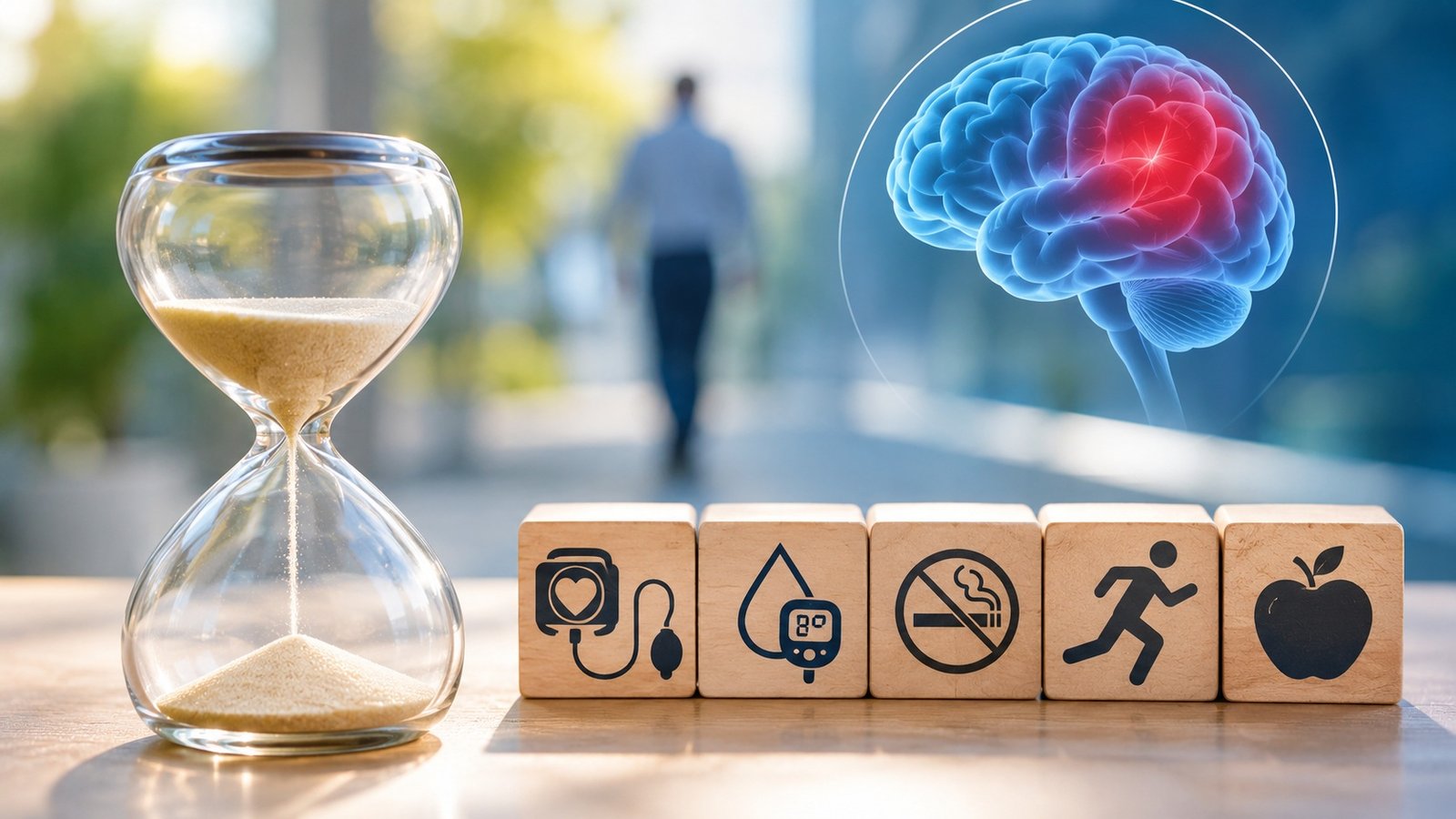
High blood pressure is one of the leading modifiable risk factors for stroke. Diabetes, smoking, high cholesterol, physical inactivity, unhealthy dietary patterns, and certain heart conditions can also increase risk.
The challenge is that some of these conditions may develop without obvious symptoms.
Consider someone who feels perfectly healthy but has not checked their blood pressure in several years. They may continue with their daily activities, unaware that their blood pressure is consistently elevated.
Without screening, appropriate clinical assessment, and effective management, an important opportunity for prevention may be missed.
This is where primary healthcare, routine health assessments, community education, and workplace wellness programmes become valuable.
The objective is not to create unnecessary medical appointments. It is to identify meaningful health risks early enough for healthcare professionals to assess them and recommend appropriate action.
For healthcare businesses, this represents a shift from viewing each consultation as an isolated service to building a continuous relationship around health management.
The Prevention Gap: When Information Does Not Become Action
Many people know that high blood pressure is dangerous. Yet awareness alone does not guarantee that they will measure it regularly, seek medical advice, or follow a treatment plan.
The reasons are often practical.
A worker may postpone a clinic visit because taking time away from work means losing income. A business owner may ignore repeated headaches without seeking assessment. Someone diagnosed with hypertension may stop taking prescribed medication when they feel better.
These situations demonstrate why prevention cannot depend on information alone.
Effective preventive healthcare requires accessible services, understandable communication, appropriate follow-up, and support for patients managing long-term conditions.
Imagine a diagnostic centre that offers blood pressure measurements and blood tests during a health screening programme.
The screening identifies several people who may need further medical assessment. However, the centre simply distributes the results and considers the programme complete.
The opportunity to improve health is now limited.
A more effective model would provide clear explanations of the results, recommend appropriate clinical follow-up, and establish referral arrangements with qualified healthcare professionals. With appropriate consent and privacy safeguards, the programme could also help participants understand the importance of subsequent monitoring.
The distinction is significant.
A screening service identifies potential risks. A well-coordinated healthcare pathway helps people act on those findings.
This is where healthcare providers can create greater value for patients and for the organisations investing in preventive health services.
Why Early Detection Matters to Healthcare Business Growth
Healthcare business growth is often associated with opening new branches, acquiring advanced equipment, increasing patient numbers, or introducing additional services.
These strategies can be important. However, sustainable growth also depends on how effectively healthcare organisations address the needs of the populations they serve.
Stroke prevention provides a useful example.
A hospital may provide emergency stroke treatment. A diagnostic laboratory may offer tests that support the assessment of relevant risk factors. A primary healthcare provider may identify and manage hypertension. A corporate healthcare programme may help employees access preventive assessments.
When these services operate in isolation, patients may experience fragmented care.
When they are appropriately coordinated, they can form a more effective healthcare pathway.
However, these programmes must be designed around clinical appropriateness, patient privacy, informed consent, and measurable health benefits—not simply the volume of tests sold.
The Diagnostic Laboratory’s Role in Stroke Prevention
Diagnostic laboratories are not usually the first service people associate with stroke prevention. Nevertheless, they can contribute to the wider management of cardiovascular and metabolic risk.
Depending on the patient’s circumstances and the clinician’s assessment, laboratory investigations may help evaluate factors such as diabetes, cholesterol levels, kidney function, and other conditions relevant to cardiovascular health.
For example, a workplace health assessment may identify an employee with elevated blood pressure and abnormal blood glucose results.
These findings do not automatically mean that the person will experience a stroke. They do, however, provide reasons for appropriate clinical review and risk assessment.
A laboratory that communicates results accurately, maintains reliable quality systems, and supports timely reporting contributes to better-informed clinical decisions.
Its value therefore extends beyond processing samples.
Reliable diagnostic services help clinicians assess patients, monitor relevant conditions, and make decisions based on appropriate evidence.
From a business perspective, laboratories can strengthen their position by building dependable relationships with hospitals, clinics, corporate healthcare providers, and other legitimate referral partners.
The opportunity is not to market every test as stroke prevention. It is to ensure that diagnostic services form part of a clinically appropriate and well-coordinated approach to cardiovascular health.
The Economics of Prevention: Looking Beyond Immediate Revenue
Preventive healthcare may be commercially challenging because its success is not always immediately visible.
When a healthcare organisation treats a patient during a medical emergency, the service and its immediate costs are relatively easy to identify.
When a preventive programme helps someone manage a risk factor before a serious complication occurs, the benefit may emerge over months or years.
This creates a challenge for healthcare businesses and the organisations purchasing their services.
They must look beyond immediate activity and assess whether their programmes are producing meaningful results.
For a corporate health programme, relevant measures might include:
✅ The proportion of employees completing recommended assessments.
✅ The proportion of participants receiving their results.
✅ Appropriate follow-up after clinically significant findings.
✅ Participation in subsequent blood pressure monitoring.
✅ Patient satisfaction and accessibility.
Where suitable data and follow-up periods are available, organisations can also evaluate changes in relevant health indicators.
These measures help distinguish a programme that merely conducts screenings from one that supports a more effective preventive healthcare pathway.
They also help healthcare providers demonstrate value to employers, insurers, and other organisations considering long-term partnerships.
Importantly, healthcare businesses should not claim that a programme has prevented strokes simply because it conducted screenings. Such conclusions require appropriate evidence and careful evaluation.
Building a More Connected Stroke Care Pathway
A strong stroke care system involves several stages, each with its own requirements.
- Prevention and risk assessment
Primary healthcare providers, hospitals, diagnostic laboratories, and workplace wellness programmes can help people access appropriate assessments for relevant risk factors.
- Recognition of warning signs
Public education should help people recognise sudden facial drooping, weakness of an arm, and speech difficulties.
The FAST approach provides a simple reminder:
▪️F — Face: Is one side of the face drooping?
▪️ A — Arms: Is there weakness or difficulty raising one arm?
▪️ S — Speech: Is speech slurred or difficult to understand?
▪️T — Time: Seek emergency medical help immediately.
If stroke is suspected, emergency services should be contacted immediately. People should not wait to see whether symptoms disappear or attempt to manage a suspected stroke at home.
- Emergency assessment and treatment
Hospitals need effective emergency pathways, appropriate imaging capabilities, trained teams, and timely clinical decision-making.
The precise treatment depends on the type of stroke, the patient’s condition, and how quickly they reach an appropriate facility.
- Rehabilitation and recovery
Surviving a stroke does not necessarily mean recovery is complete.
Some patients need physiotherapy, occupational therapy, speech and language therapy, psychological support, or assistance with daily activities.
Effective rehabilitation can support recovery and help patients regain as much independence as possible.
- Long-term management
After a stroke, patients may need continuing clinical monitoring, medication management, rehabilitation, and support to address their individual risk factors.
Healthcare providers that understand these interconnected stages are better positioned to develop services that respond to patient needs over time.
What This Means for a Healthcare Business
For a Healthcare Business, stroke prevention may offer an opportunity to examine how healthcare organisations can connect clinical services with sustainable business models.
The starting point should be understanding the needs of patients, employers, healthcare providers, and the wider community.
Corporate preventive healthcare: Helping organisations move beyond one-day screening events towards structured programmes with appropriate follow-up and outcome measurement.
Diagnostic service development: Supporting laboratories in identifying relevant service needs, strengthening quality systems, improving turnaround time, and developing appropriate partnerships with healthcare providers.
Chronic disease management: Helping healthcare organisations assess the feasibility of coordinated services for conditions such as hypertension and diabetes, with clinical responsibility remaining with qualified professionals.
Healthcare partnerships: Identifying opportunities for hospitals, laboratories, primary healthcare providers, rehabilitation services, and corporate clients to coordinate care more effectively.
Performance measurement: Helping healthcare businesses evaluate patient access, operational efficiency, follow-up, service utilisation, and other relevant indicators.
These opportunities should be assessed against local demand, regulatory requirements, clinical capacity, available resources, and financial feasibility.
The objective is not simply to introduce another healthcare service. It is to identify sustainable models that create genuine value for patients while supporting responsible business growth.
The Challenge Ahead: Making Prevention Part of the Business Model
Preventive healthcare is often praised in principle but underdeveloped in practice.
Organisations may invest in awareness campaigns without measuring their impact. Employers may pay for annual health checks without establishing follow-up pathways. Healthcare providers may offer diagnostic services without ensuring that patients understand the next steps after receiving their results.
Closing this gap requires a change in how healthcare services are designed and evaluated.
Prevention must be accessible. Results must be communicated responsibly. Referrals must be appropriate. Follow-up must be practical. Outcomes must be measured.
For healthcare businesses, this also requires recognising that long-term value cannot be measured by the number of consultations, tests, or screening packages delivered alone.
It must also consider whether services are helping people access appropriate care, manage health risks, and make informed decisions.
The Best Stroke Strategy Begins Before the Emergency
Stroke can change a person’s life in minutes. Its effects may extend to families, careers, finances, and communities for years.
Yet some of the opportunities to reduce stroke risk begin in ordinary places: a clinic where blood pressure is measured, a workplace where preventive health is taken seriously, a laboratory that delivers reliable results, or a community where people understand when to seek medical attention.
These interventions do not eliminate stroke, and not every stroke can be prevented. Nevertheless, evidence-based prevention, timely emergency treatment, and appropriate rehabilitation can make a meaningful difference.
For healthcare organisations, the lesson is equally important.
The future of healthcare business growth will depend not only on how effectively organisations treat illness, but also on how intelligently they help people manage health risks before those risks become emergencies.
Because the greatest value of a healthcare system is not simply the services it sells.
It is the difference those services make to people’s lives.
Frequently Asked Questions
- Can stroke be prevented?
Not every stroke can be prevented, but many risk factors can be managed. Appropriate blood pressure control, diabetes management, smoking cessation, physical activity, healthy dietary habits, and clinical management of relevant heart conditions can help reduce risk.
- Why is hypertension important in stroke prevention?
Persistently high blood pressure damages blood vessels and is a major modifiable risk factor for stroke. Regular measurement and appropriate clinical management are important, even when a person feels well.
- How can diagnostic laboratories contribute to stroke prevention?
Laboratories can provide reliable tests that help clinicians assess relevant risk factors and monitor conditions such as diabetes and abnormal cholesterol levels. Their contribution is most effective when testing is clinically appropriate and results are connected to proper medical assessment and follow-up.
- How does stroke prevention create opportunities for healthcare business growth?
It can support the development of corporate health programmes, preventive screening services, chronic disease management, diagnostic partnerships, and coordinated care pathways. Their success depends on clinical quality, patient needs, appropriate follow-up, and financial sustainability.
- What should employers do after conducting employee health checks?
Employers should work with qualified healthcare providers to ensure that results are communicated confidentially, employees with concerning findings receive appropriate advice, and recommended follow-up is accessible. Screening should not be treated as a substitute for medical diagnosis or treatment.
Disclaimer: This article is intended for general information and awareness purposes only. It should not be considered medical advice, diagnosis or treatment. Readers are advised to consult a qualified healthcare professional for individual medical concerns.